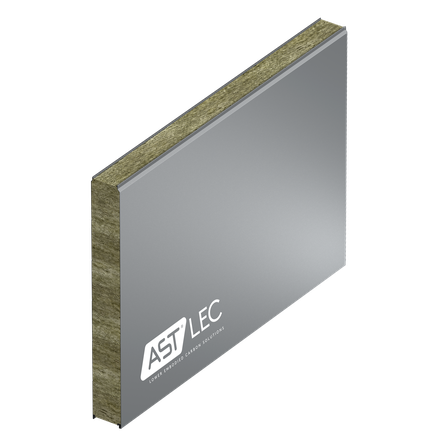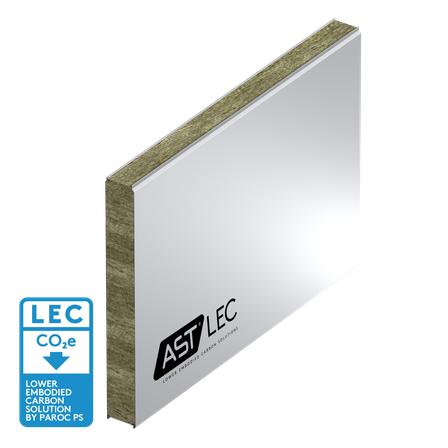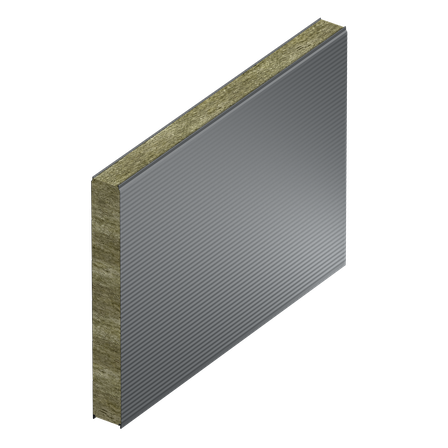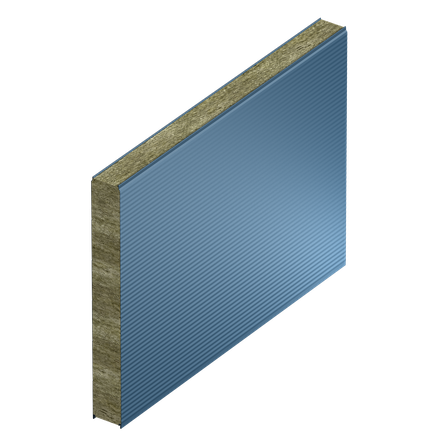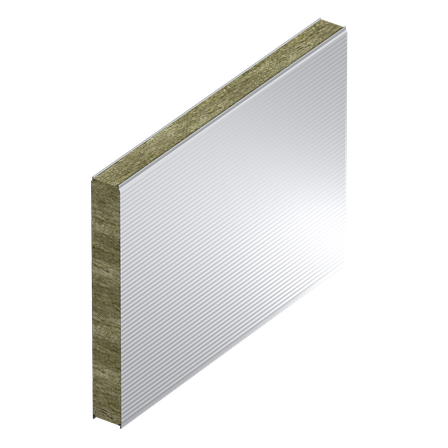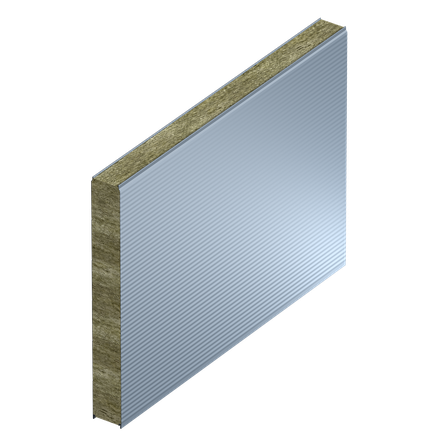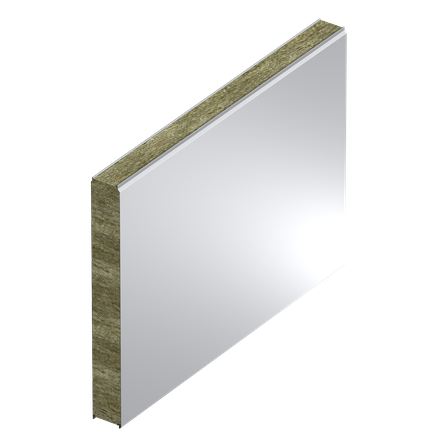
AST® TECHNOLOGY
With the development of the AST® (Advanced Structural Technology), the customer is provided with a tool that ensures that the product meets the highest requirements for load-bearing sandwich panels. AST® stands for the highest quality standards in terms of strength, durability and fire protection.
Strength
Paroc Panel System masters the sandwich panel technology. Sandwich panels are based on interaction between the optimal strength properties. That is why the bonding between the core and the facings are the most critical part in a sandwich panel. In our panels the fully bonded facings together with the lamella orientation and pattern guarantee equal strength properties in each cross section. Paroc Panel System panels are specially developed to fulfil the high strength demands of load-bearing sandwich panels.
To guarantee reliable and uniform strength of a sandwich panel, the tensile strength of the bonding between the face and the core shall always exceed the tensile strength of the core material itself i.e. in the tensile strength test the failure always has to occur in the core. The tensile strength threshold value for AST® quality panels is 100 kN/m2.
Durability
Durability in sandwich panels means long-term performance as a structural building component. Cladding products have to maintain their strength and insulating properties, and remain weather-resistant over their entire service life. For industrial buildings, a lifetime of 25 years is often sufficient. In other cases, requirements can be 50 years or more.
Our AST® insulated panels use various primer and coating layers of steel sheets to eliminate the potential risk of corrosion inside the panel and ensure the bonding between the adhesive and the steel sheet. To secure colour and gloss retention in the panel surface, Spectrum® and PVDF are the standard coatings in external use. The adhesive fulfils high durability demands in all environmental conditions during the lifetime of a building. PAROC structural stone wool is water-repellent, non-hygroscopic and non-capillary, meaning no water can penetrate it. In addition, moisture has no effect on the stability of the core and the binder.
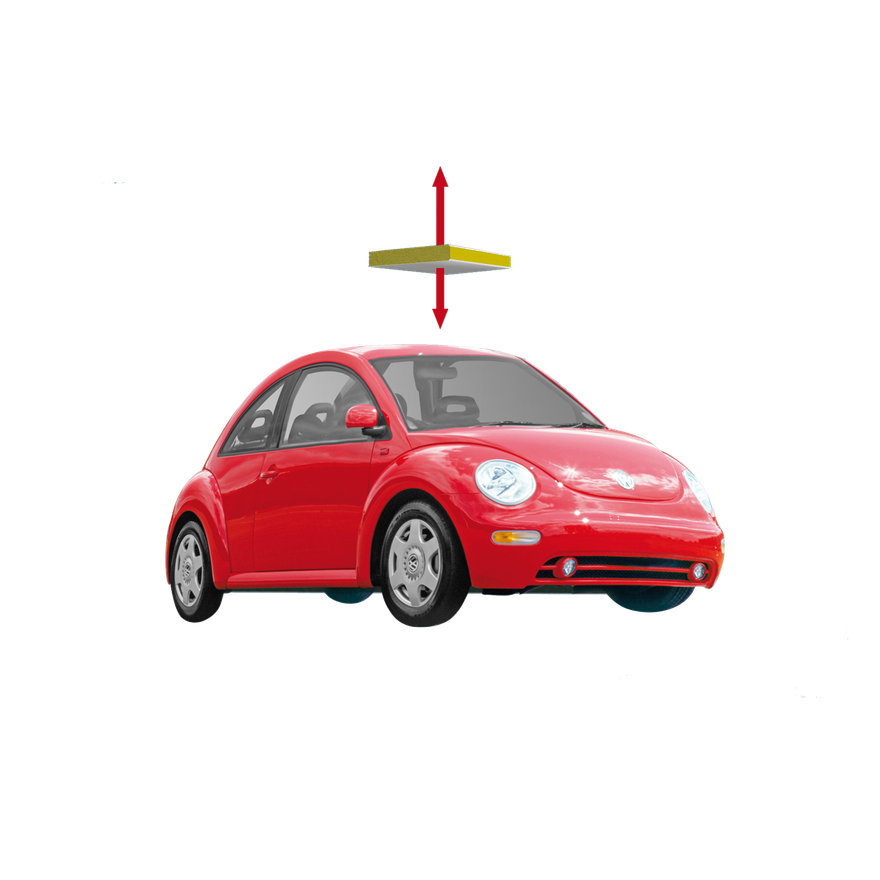
The tensile strength of an A4 size piece of AST® panel is good enough to withstand the load of one Beetle.
Tensile strength > 100 kN/m2
Equal strength properties in each cross-section
Spectrum® and PVDF coating for external use
Water-repellent, non-hygroscopic core
Fire Safety
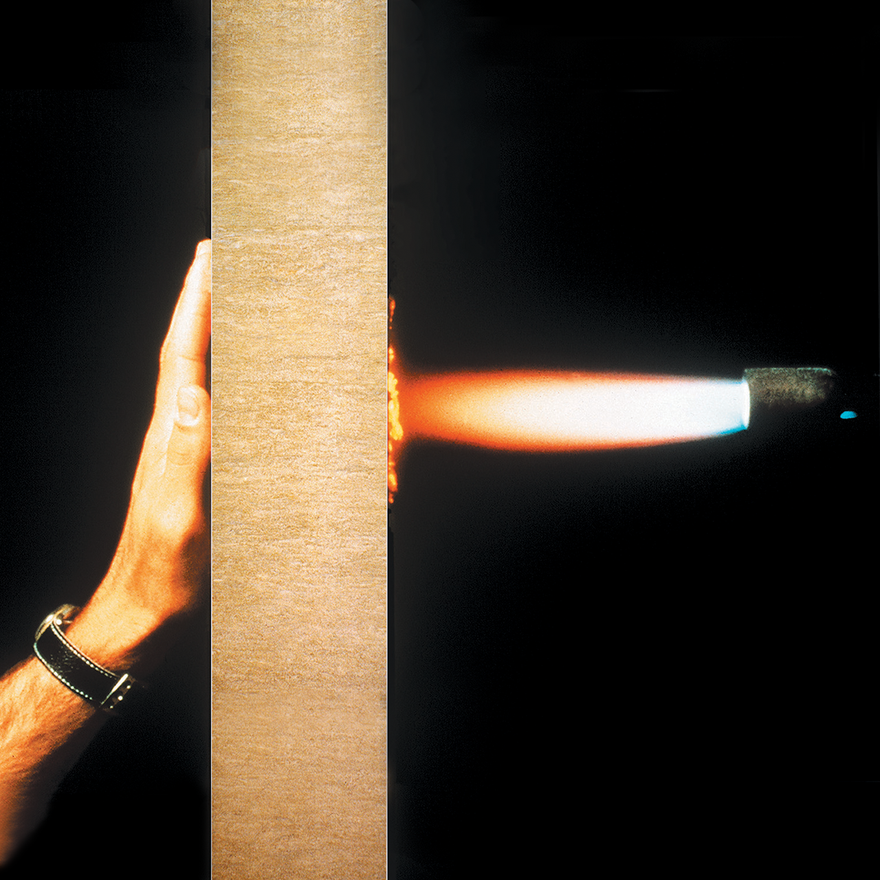
Paroc Panel System's AST® primary sandwich panels have been classified in Euroclass A2-s1,d0 which means they don't ignite and contribute to fire spread (A2), generate very little smoke and toxic products (s1) and do not form flaming molten droplets (d0). The fire resistance of Paroc Panel System panels is classified up to EI 240 as walls and EI 180 as ceilings.
The structural stone wool core has good thermal insulation also at extreme temperatures and it will not shrink. Shrinkage could cause loss of both insulation and integrity. The specially developed adhesive for Paroc Panel System panels has high temperature resistance keeping the core bonded to the unexposed face during a fire. The panel joint in Paroc Panel System panels is also specially designed to be tight without sealant. Extra fixings in the joint prevent the penetration of hot gases and flames.
In case of fire, Paroc Panel System panels function as a catenary structure. Therefore, when designing fire-resistant structures it is important to execute the detail solutions so that the whole structure meets the requirements on stability, insulation and integrity.
Highly fire-resistant sandwich panels for safety
Flame retardant, Euroclass A2-s1, d0
Fire resistance up to EI 240 for walls
Fire resistance up to EI 180 for ceilings
Adhesive with high temperature resistance
AST® ensures consistent materials, manufacturing, final product, third-party control and internal testing for quality assurance
Suppliers' quality control
Reception control
Manufacturing quality control
Full-scale strength testing
Third-party fire classification
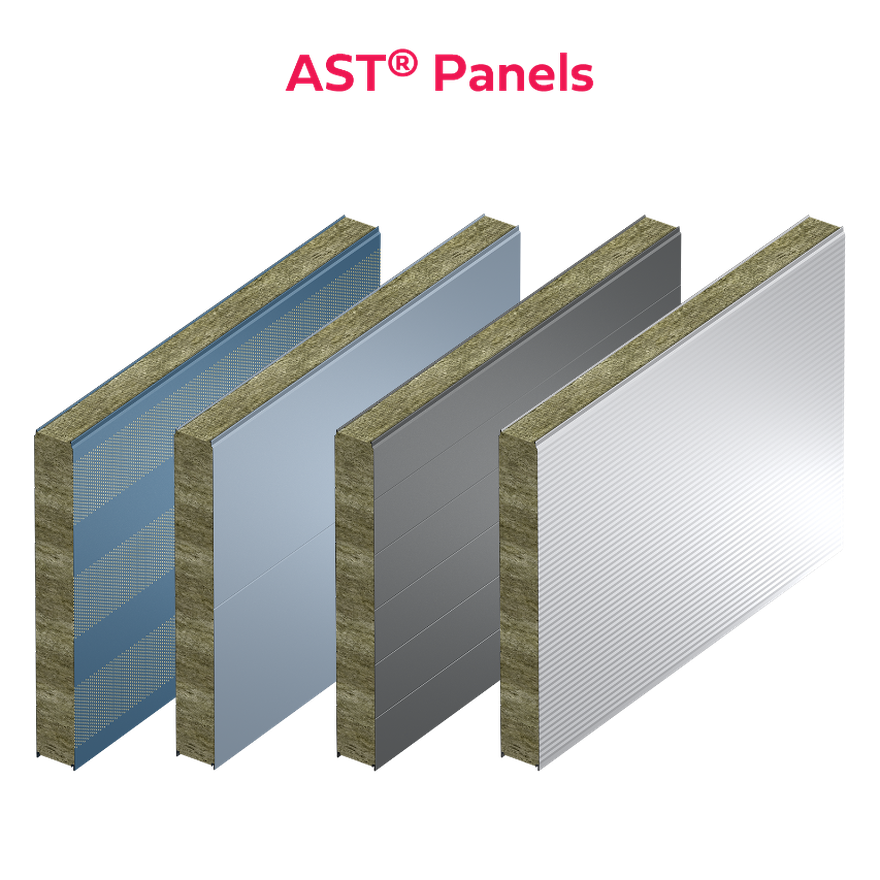
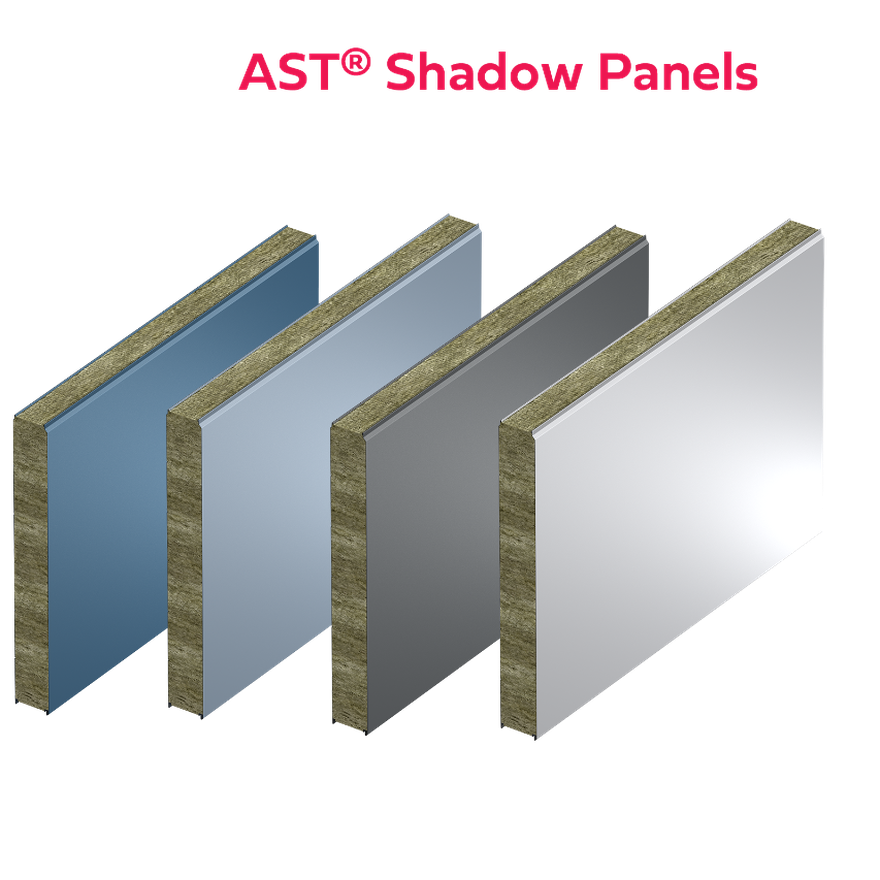
Colours and Coatings
Colour is an essential part of our built environment – incorporating colour into a building façade can create an immediate visual and emotional impact, it has a notable influence on our impressions and our behaviours.